
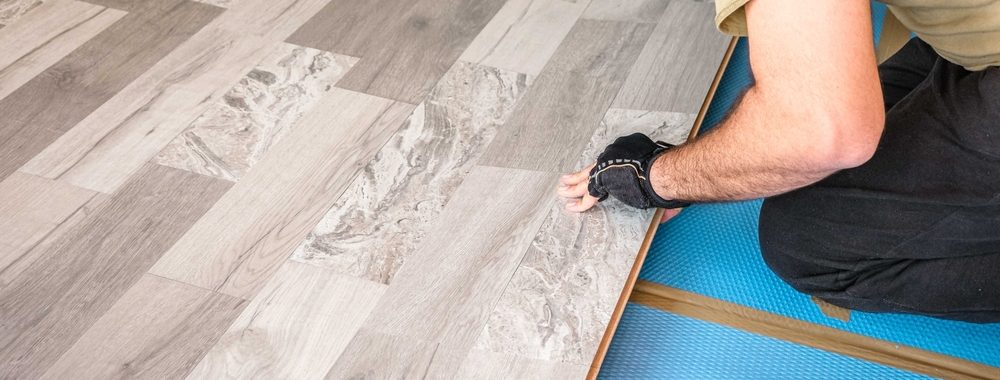
Installing a Timber Floor: Challenges and Tricks.
People still like the look of good quality timber floors. The right timber floor can add warmth, character, and a natural organic feel to your interior spaces. But of course, no good thing is ever easy. There can be challenges when installing timber floors, especially as no two homes, or no two room, are exactly alike. Nonetheless, years of industry experience allows us to share some tricks of the trade that can help ensure successful on future projects for installation, or floor sanding and polishing.
Common Challenges
Subfloor Preparation
Uneven Subfloor
One of the biggest challenges is dealing with an uneven subfloor. Sometimes a subfloor is intentionally on a slope for better drainage. At other times it is simply a flaw in the building. Timber flooring requires a flat, level surface to prevent issues like creaking or gaps between the boards.
Moisture Issues
Moisture can wreak havoc on timber floors. If the subfloor is damp, it can lead to the timber warping and buckling. It is not isolated occurrences we need to worry about here, but situations where the moisture issue is ongoing. How is the moisture getting in? Does it only occur during the winter months or is it all year round?
Acclimatising the Timber
Timber needs time to acclimatize to the room’s temperature and humidity before installation. Skipping this step can result in the floor expanding or contracting after installation, causing gaps or buckling. We should acclimatise the timber after we deal with any moisture issues.
Layout and Design
Ensuring a proper layout can be tricky, especially in irregularly shaped rooms. Poor planning can lead to awkward cuts or wasted materials. Aligning the boards correctly to avoid noticeable seams or patterns can be difficult.
Cutting and Fitting
Cutting timber boards to fit around obstacles like doorways, vents, and corners requires precision. Mistakes can be costly, both in terms of time and materials.
Ensuring tight, gap-free joints between boards can be challenging, especially with natural variations in timber.
Nailing and Fastening
Properly nailing or fastening the boards is crucial to prevent movement and squeaking. Incorrect fastening can lead to a host of problems, including damaged boards and noisy floors.
Finishing
Achieving a smooth, even finish can be difficult, especially for DIYers. Staining and sealing require skill and patience to ensure an attractive, durable finish.
Tips and Tricks
Subfloor Preparation
Level the Subfloor – Use a leveling compound for concrete subfloors or sand down high spots and fill low spots on wooden subfloors.
Moisture Barrier – Install a moisture barrier to protect your timber from dampness, especially in basements or areas prone to moisture.
Acclimate the Timber
Allow the timber to acclimate for at least 48-72 hours in the room where it will be installed. Stack the boards with spacers between them to ensure air circulation.
Plan Your Layout
Detailed Planning – Measure the room and create a detailed layout plan before starting. Consider the direction of the boards, typically aligned with the longest wall or the main light source.
Dry Lay – Lay out a few rows of boards without fastening them to visualize the final look and make any necessary adjustments.
Precision Cutting
Sharp Tools – Use sharp, high-quality saws and tools for precise cuts.
Templates – Create templates for tricky areas like door frames or vents to ensure accurate cuts. Sometimes we can use paper to trace the shape we need on the floor, and use this as a template. Or we can buy a contour gauge that reproduces the shape we need.
Proper Fastening
Right Nails and Spacing – Use the correct type and size of nails or staples, and follow the manufacturer’s recommendations for spacing.
Avoid Squeaks – Place nails or staples at the appropriate intervals to prevent movement and squeaking.
Finishing Touches Floor Sanding and Polishing
Smooth Sanding – Sand the floor thoroughly to achieve a smooth surface before applying any finish. This is best done with a suitable sanding machine. If the timber floor suffers surface damages at a later date it can often be fixed with re-sanding.
Quality Finish – There are many different ways to finish a timber floor. One is to apply a high-quality stain and sealer. Another is oil the floor. Or you might apply a clear polyurethane coating. In all cases follow the manufacturer’s instructions for drying times and application methods.
By understanding these challenges and utilizing these tips, you can avoid common pitfalls and achieve a beautiful, long-lasting timber floor. Whether you’re a DIY enthusiast or hiring a professional, careful planning and attention to detail are key to a successful installation.
Disclaimer: The information in this article is provided for informational purposes only. It does not constitute legal advice and should not be relied upon as such. No individual should take, or refrain from taking, any action solely based on the material contained in this article. While we aim to offer accurate and timely information, we cannot guarantee its accuracy on the date of receipt or in the future. If you require more information or seek relevant legal advice specific to your circumstances, please contact our office.